
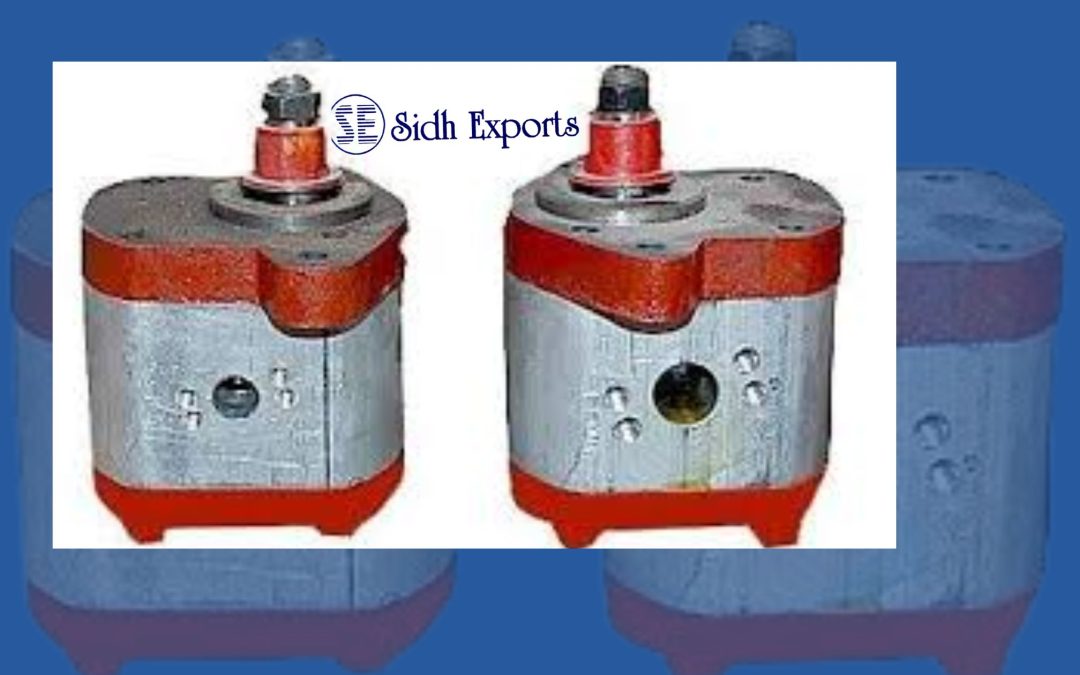
Hydraulic Pump Installation on New Holland Tractors: The Complete Guide by Sidhexports
Keeping your New Holland tractor running at peak performance depends heavily on the health of its hydraulic system. One of the most critical components in that system is the hydraulic pump. When it starts to fail, your tractor can lose lifting power, steering responsiveness, and overall reliability.
In this guide, you’ll get a clear, step-by-step breakdown of hydraulic pump installation on New Holland tractors—from spotting early signs of pump failure to completing the installation safely and efficiently. Whether you’re a farmer, technician, or equipment operator, this article will help you get the job done right.
Why the Hydraulic Pump Is So Important
The is essentially the power source of your tractor’s hydraulic system. It delivers the pressure needed to operate several key functions, including:
Lifting front-end loaders
Operating rear implements
Power steering
Hydraulic cylinders and attachments
When your hydraulic pump begins to underperform or fails completely, these systems slow down—or worse, stop working entirely. That’s why proper hydraulic pump installation on New Holland tractors is crucial to maintain efficiency, safety, and productivity in the field.
Signs That Your Hydraulic Pump Needs Replacement
Catching pump issues early can save you time and costly repairs. Here are common warning signs that signal it’s time to replace the hydraulic pump:
Sluggish or delayed hydraulic response
Unusual sounds like whining, knocking, or grinding
Hydraulic fluid leaks around the pump or connections
Erratic or weak lifting and steering performance
System overheating or fluid foaming
If you’re noticing any of the above, don’t ignore them—acting quickly can prevent broader system failure.
What You’ll Need for the Installation
Before getting started, make sure you have all the required tools and parts. Here’s a checklist to keep the process smooth:
OEM-compatible hydraulic pump for your New Holland model
Manufacturer-recommended hydraulic fluid
Torque wrench and socket set
Drain pan and lint-free rags
Safety gloves and protective eyewear
Gaskets or O-rings (if required)
New Holland tractor service manual
Step-by-Step: Hydraulic Pump Installation on New Holland Tractors
1. Prepare the Tractor for Installation
Park the tractor on level ground
Turn off the engine and remove the key
Disconnect the battery
Let the system cool down fully before beginning work
2. Drain the Hydraulic Fluid
Place a drain pan under the hydraulic reservoir and remove the drain plug. Let all old fluid drain completely to avoid contaminating the new system.
3. Remove the Old Hydraulic Pump
Follow these steps carefully:
Locate the pump (refer to your service manual for exact position)
Disconnect hydraulic lines and any electrical sensors
Remove the mounting bolts or brackets
Gently slide the pump out without damaging surrounding parts
4. Prepare and Install the New Pump
Inspect the new pump for damage or debris
Lightly lubricate seals or O-rings with hydraulic fluid
Align the new pump with the mounting holes
Insert and tighten bolts to manufacturer specifications using a torque wrench
Reconnect all hydraulic lines and fittings securely
5. Refill and Bleed the System
Refill the reservoir with clean, approved hydraulic fluid
Start the engine and run it at low idle
Cycle through all hydraulic functions to bleed air from the system
Recheck the fluid level and top up as needed
Post-Installation Checks
After the pump is installed and the system is running, be sure to:
Check for leaks at all connection points
Monitor for unusual noises during operation
Verify that steering, lifting, and other hydraulics are working smoothly
Inspect and retighten bolts and fittings if necessary
Maintenance Tips to Extend Your Pump’s Life
A successful hydraulic pump installation on New Holland tractors is just the beginning. To ensure long-term performance, follow these maintenance practices:
Check hydraulic fluid levels weekly
Replace filters according to manufacturer recommendations
Only use clean, high-grade hydraulic fluid
Inspect hoses and seals for signs of wear or cracks
Keep the reservoir and cap area clean during fluid top-ups
Preventive care goes a long way toward extending your new pump’s lifespan.
Why Choose Sidhexports for Hydraulic Pump Parts?
At Sidhexports, we specialize in supplying high-quality hydraulic components tailored for New Holland tractors and other leading agricultural brands. Here’s what sets us apart:Precision-built pumps that meet OEM specifications
Durability-tested components to withstand tough farming conditions
Expert customer support to match the right part to your tractor model
Competitive pricing with single and bulk options
Fast international shipping across India, Africa, and global markets
When it comes to reliability in the field, Sidhexports delivers what your tractor needs.
Final Thoughts
Replacing your hydraulic pump isn’t just a repair—it’s an investment in your tractor’s long-term performance and safety. With the right tools, quality parts, and careful attention to the process, hydraulic pump installation on New Holland tractors can be straightforward and rewarding.